Leah Hammerstein Silverstein
Nació: 1924, en Praga, Polonia
Describe las consecuencias del Holocausto y la búsqueda de sobrevivientes [Entrevista: 1996]
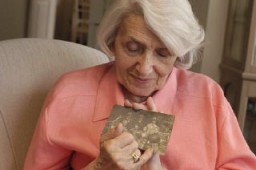
Soon we started to organize ourselves and I was assigned, we were, we did, I mean, again our commanding people, I mean the people at the top of the group, like Yitzhak Zuckerman and others--I mention his name more often than others because almost all the leading people of Ha-Shomer ha-Tsa'ir died in the war, except maybe for Haika Grosman. And, well, we started to organize not only to, to have a gathering point for Jews to come to, but also to send out people to look for liberated Jews, you know. Because when people were liberated by the Soviet army, the first impulse of people was going back to their places. That was the natural instinct, to see if somebody survived, if the house survived, if something can be rescued. So I was assigned to, to do that with another girl. Her name was Krysia Biderman. Actually her real name was Sara Biderman, Krysia was her pseudonym during the war. And we were traveling criss-cross Poland looking for surviving Jews, and we found them. And sometimes these meetings were so packed with emotion that I, I lack the words to describe it, you know. Because the idea that we are really survivors couldn't sink in yet. You were full of apprehensions that maybe it will change again, you know. For, for, for years you were, lived like a hunted animal. It, it gets into your psyche. It's very difficult to get rid of that feeling that you are not in danger anymore. All these self-defense mechanisms are still with you, you know, and in many cases people were reluctant to admit that they are Jews. In many places, places they didn't want to talk to us. They didn't know who we are. But there were also cases when we came and we got such a warm welcome. I remember, I don't even remember which place, what was the name of the place, but we came to a small place and there was a Jewish family there and we got a very warm welcome. We were tired, you know, traveling constantly on the ways and, and she gave us a good supper and she put us into bed and we could wash and, it was real Jewish hospitality that was known before the war, which was absent during the war and again, you know, it was like slowly coming back to life.
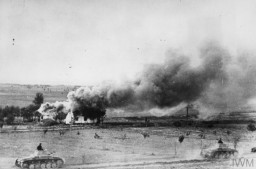
Leah creció en Praga, un suburbio de Varsovia, Polonia. Participó en el movimiento de jóvenes sionista, Ha-Shomer ha-Tsa'ir. Alemania invadió Polonia en septiembre de 1939. Los judíos fueron forzados a vivir en el ghetto de Varsovia, que los alemanes cerraron en noviembre de 1940. En el ghetto, Leah vivía con un grupo de miembros de Ha-Shomer ha-Tsa'ir. En septiembre de 1941, ella y otros miembros del grupo se escaparon del ghetto a un campo de Ha-Shomer ha-Tsa'ir en Zarki, cerca de Czestochowa, Polonia. En mayo de 1942, Leah empezó a trabajar de mensajera para el movimiento de resistencia, usando documentos falsos polacos y viajando entre el ghetto de Cracovia y el campo de Plaszow cercano. Como las condiciones empeoraban, se escapó a Tarnow, pero pronto decidió volver a Cracovia. Leah también posó como una polaca no judía en Czestochowa y Varsovia, y era mensajera para la Comisión Nacional Judía y la Organización de Combate Judía (ZOB). Combatió con un equipo judío en la Armia Ludowa (ejército popular) durante la sublevación polaca de Varsovia en 1944. Leah fue liberada por las fuerzas soviéticas. Después de la guerra ayudó a gente emigrar de Polonia, luego se mudó a Israel antes de asentarse en los Estados Unidos.
US Holocaust Memorial Museum - Collections