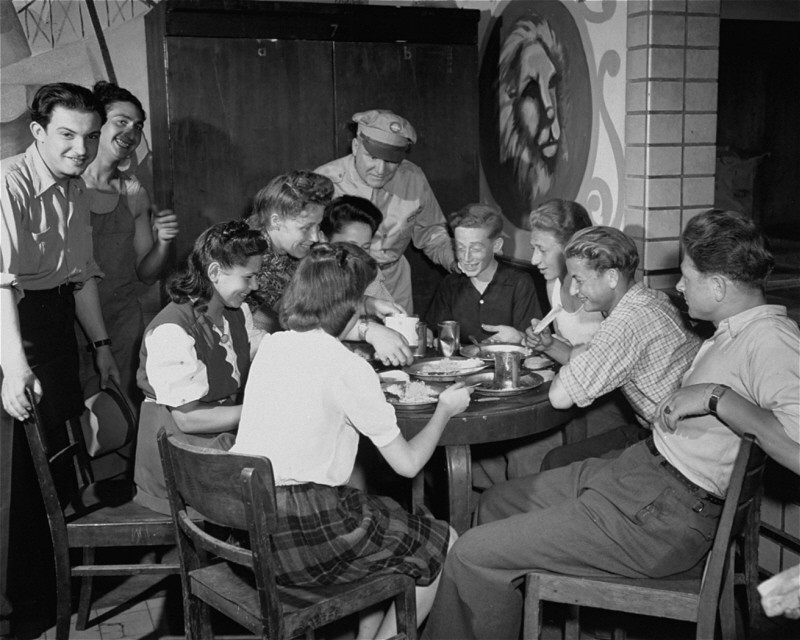
Eschwege Displaced Persons Camp
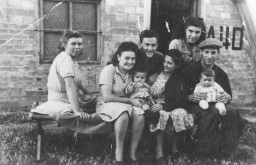
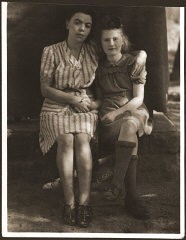
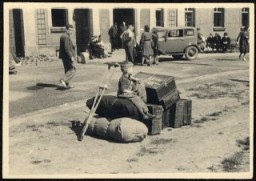
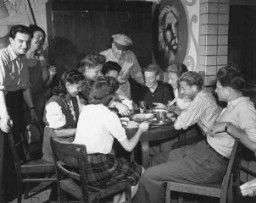
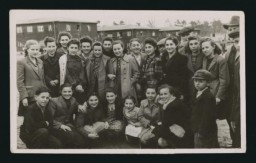
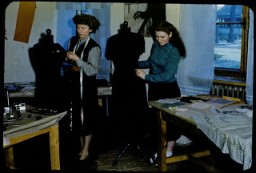
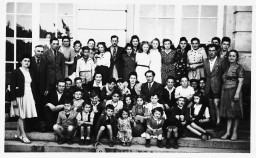
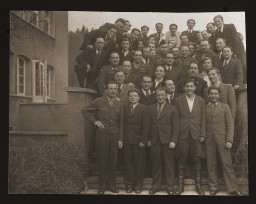
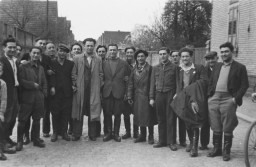
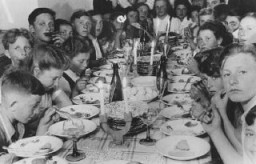
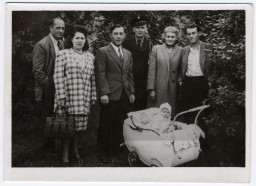
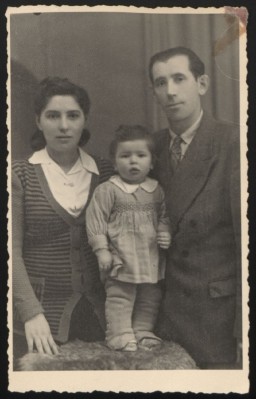
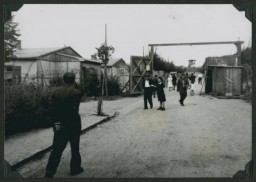
For the Jews who survived the Holocaust, the end of World War II brought new challenges. Many could not or would not return to their former homelands, and options for legal immigration were limited. In spite of these difficulties, these Jewish survivors sought to rebuild their shattered lives by creating flourishing communities in displaced persons camps in Germany, Austria, and Italy. In an unparalleled six-year period between 1945 and 1951, European Jewish life was reborn in camps such as Eschwege.
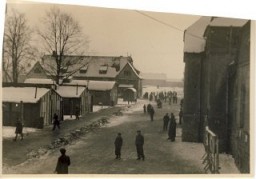
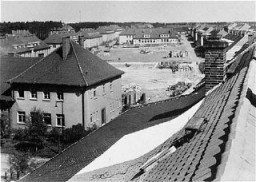
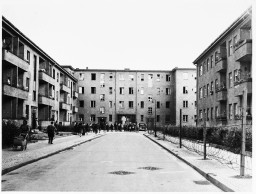
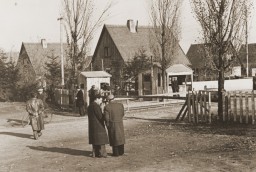
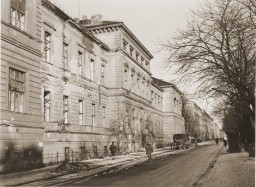
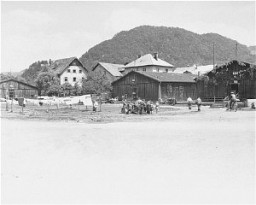
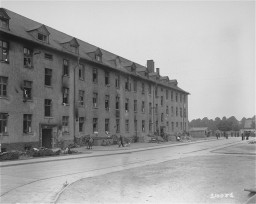
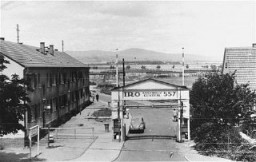
Eschwege, a former German air force base in the Frankfurt district of the American-occupied zone of Germany, became a displaced persons (DP) camp in January 1946.
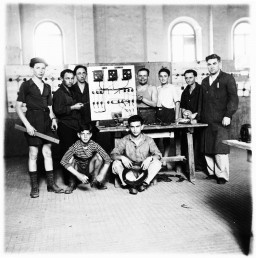
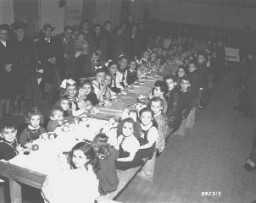
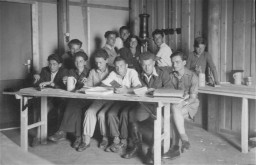
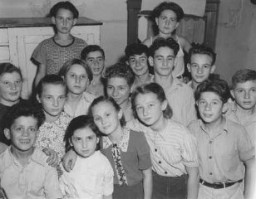
Eschwege housed approximately 1,770 Jews at the time of its opening and its young population quickly developed a revitalized community, evidenced by the opening of a kindergarten with 50 children by April 1947. In contrast, the elementary school had only 30 students at that time. Eschwege also had a Talmud Torah (religious elementary school), a cheder (traditional religious school for young children), and a yeshiva (religious academy), as well as a "Bet Ya'akov" religious high school for girls.
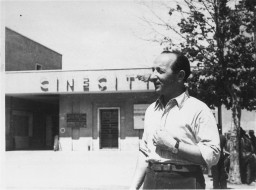
Religious life was also celebrated in the camp's several synagogues and a mikvah (Jewish ritual bath). Eschwege had a sports club with 100 players, a movie theater, a 500-seat auditorium, and a theater group. The camp published the newspaper Undzer Hofenung (Our Hope).
At its peak, on October 19, 1946, Eschwege housed roughly 3,355 Jews. The camp closed on April 26, 1949.
Series: Displaced Persons Camps
Critical Thinking Questions
- What challenges did survivors face in the DP camps?
- What challenges did the Allies face in establishing and supervising DP camps?
- What responsibilities do (or should) other nations have regarding refugees from war and genocide?